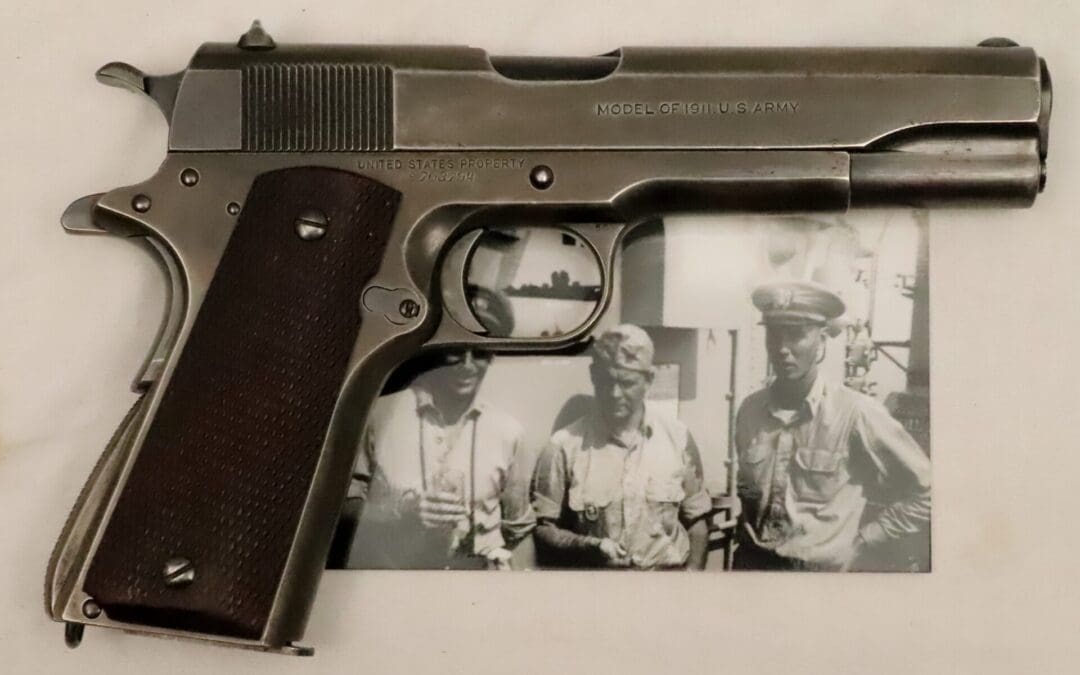
Colt M-1911, “Beach Jumper”
The General Assembly of the Commonwealth of Pennsylvania passed “An Act to provide arms for the use of the Commonwealth” on March 28, 1797. These arms were to be of the “fashion and pattern of the French Charleville

The General Assembly of the Commonwealth of Pennsylvania passed “An Act to provide arms for the use of the Commonwealth” on March 28, 1797. These arms were to be of the “fashion and pattern of the French Charleville
The General Assembly of the Commonwealth of Pennsylvania passed “An Act to provide arms for the use of the Commonwealth” on March 28, 1797. These arms were to be of the “fashion and pattern of the French Charleville
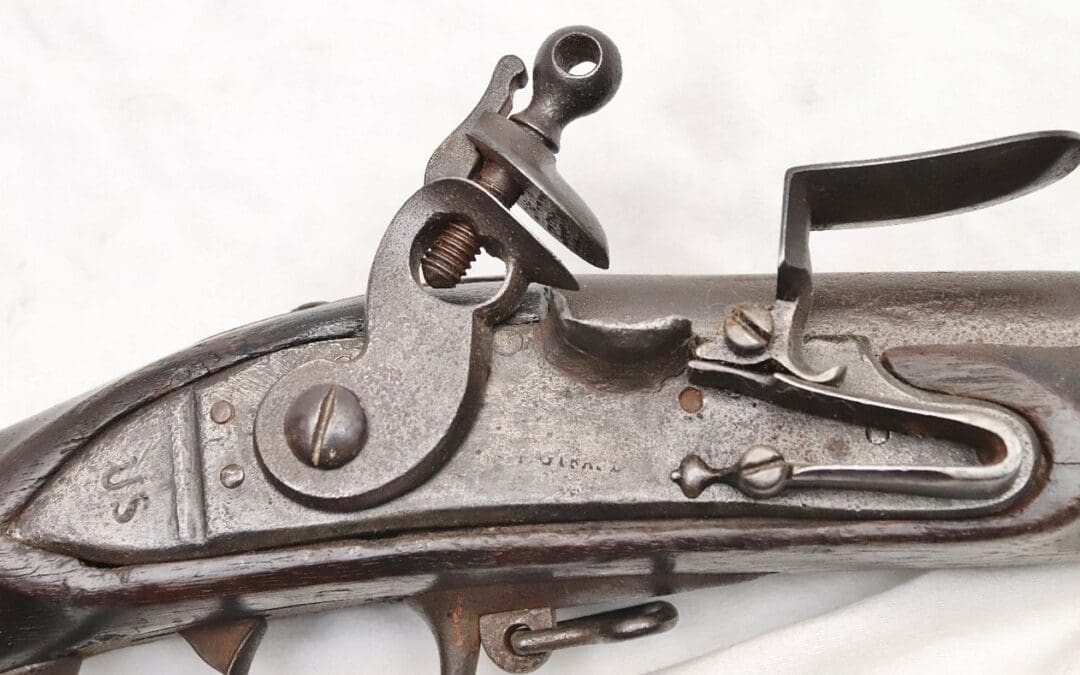
The General Assembly of the Commonwealth of Pennsylvania passed “An Act to provide arms for the use of the Commonwealth” on March 28, 1797. These arms were to be of the “fashion and pattern of the French Charleville
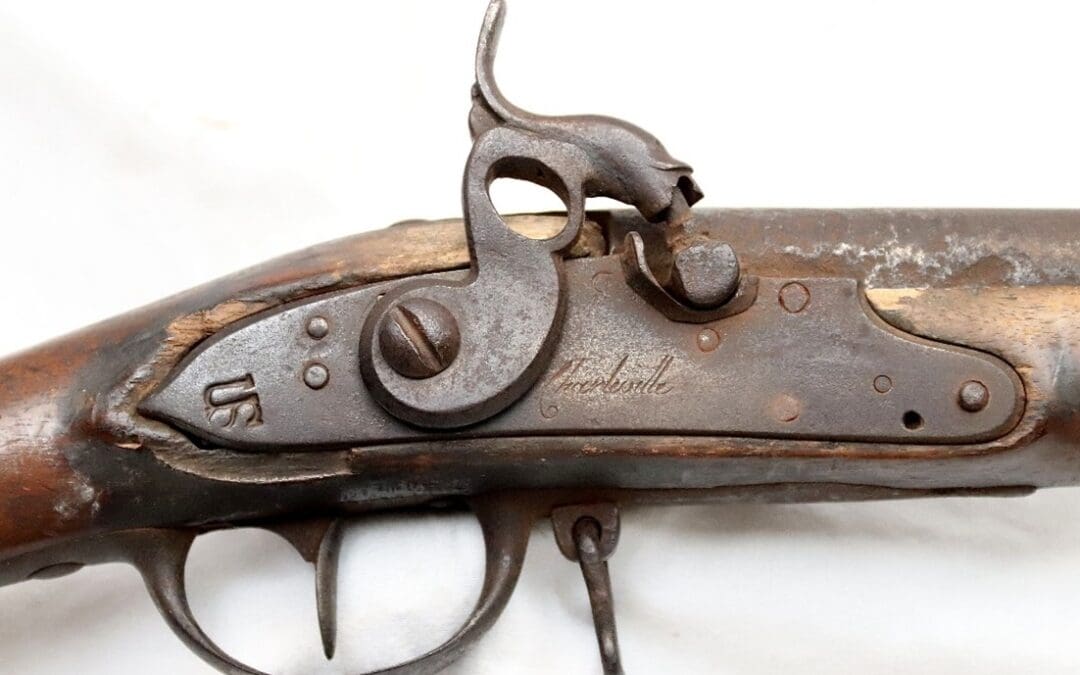
The General Assembly of the Commonwealth of Pennsylvania passed “An Act to provide arms for the use of the Commonwealth” on March 28, 1797. These arms were to be of the “fashion and pattern of the French Charleville
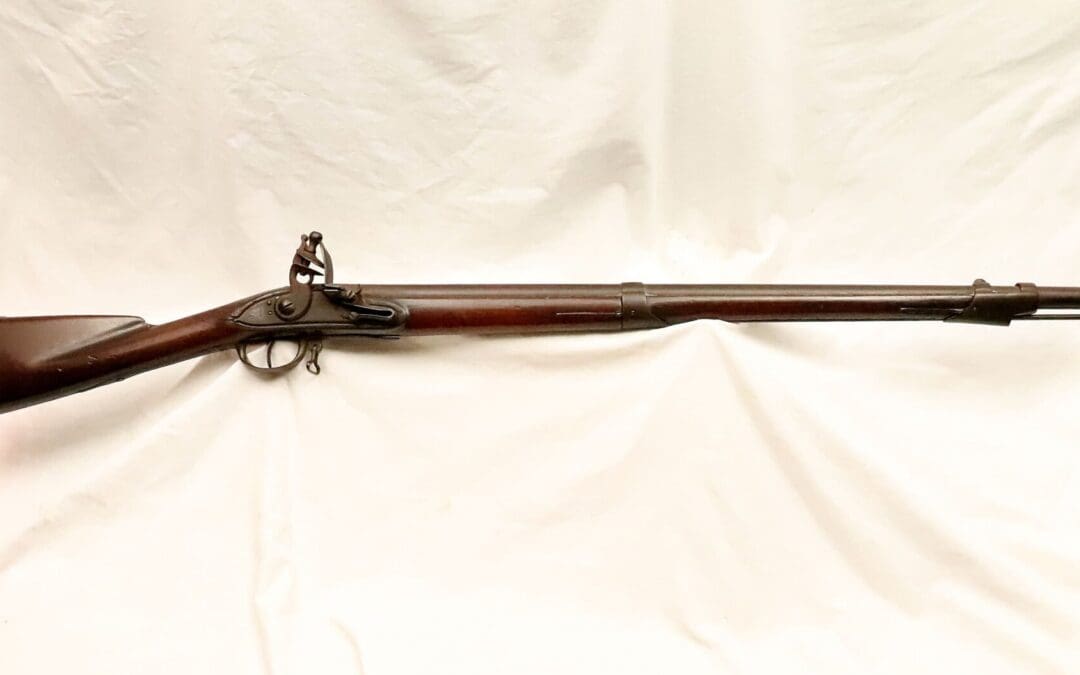
The General Assembly of the Commonwealth of Pennsylvania passed “An Act to provide arms for the use of the Commonwealth” on March 28, 1797. These arms were to be of the “fashion and pattern of the French Charleville
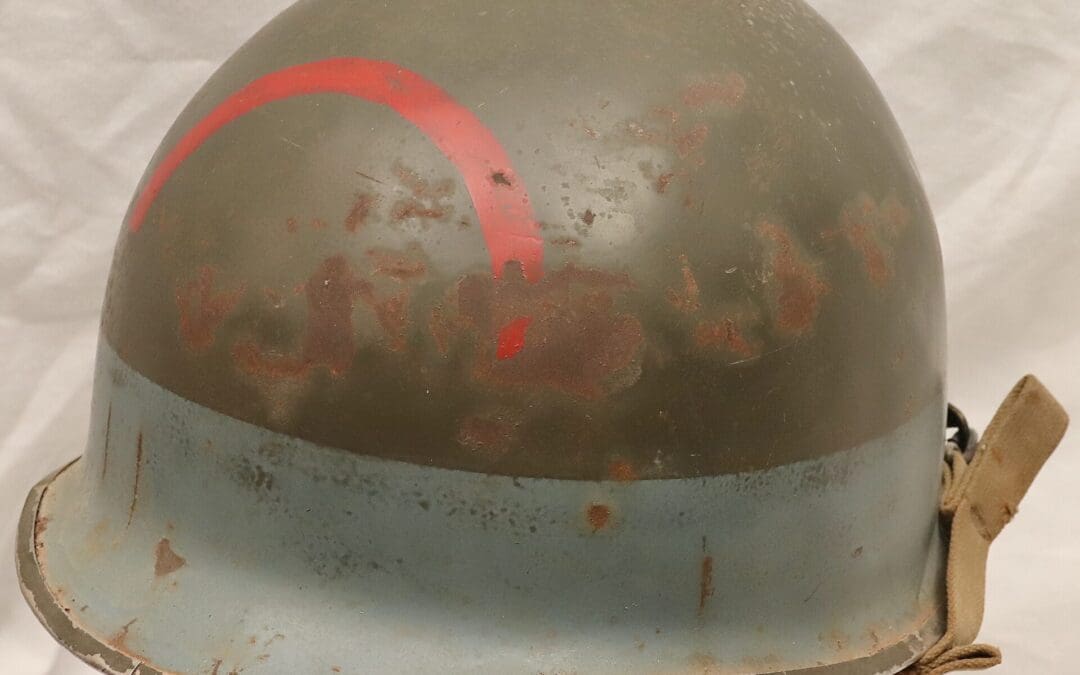
This M-1 helmet having fixed bails and a front seam was used by a member of the 6th Naval Beach Battalion, Co. A, in the Normandy invasion on June 6, 1944. The authenticity of the paint is evidenced by the age cracks of the steel shell.
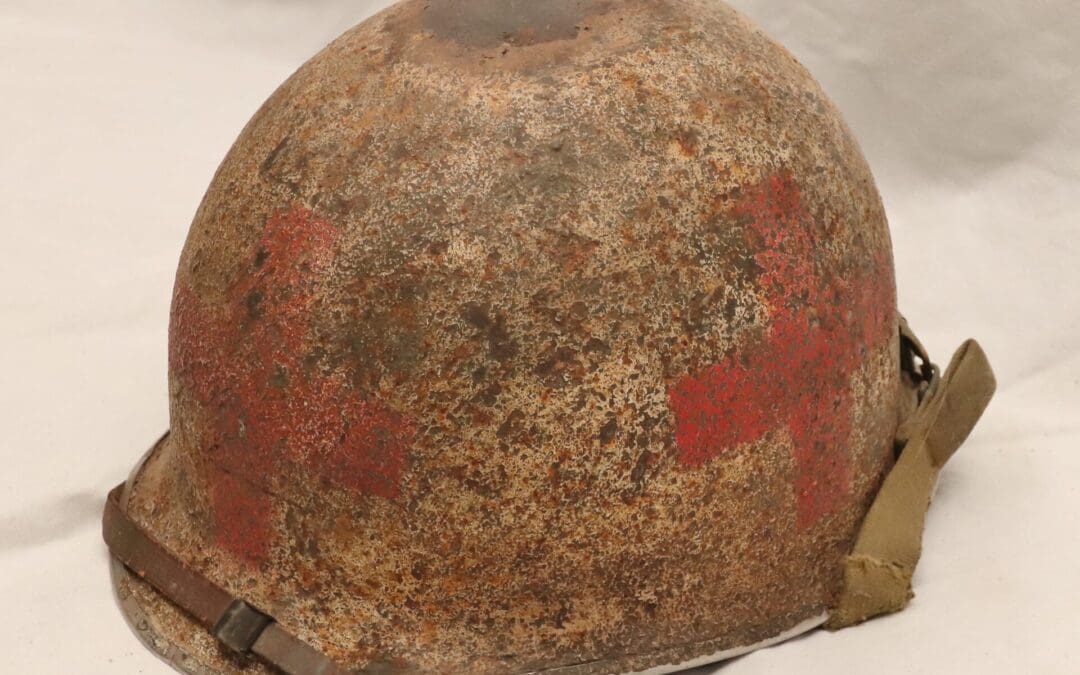
This early M-1 helmet has a front seam and fixed bails. It has been preserved in original condition with winter camouflage and four red crosses painted on the white camouflage. The original straps are still present. The liner is painted in a similar
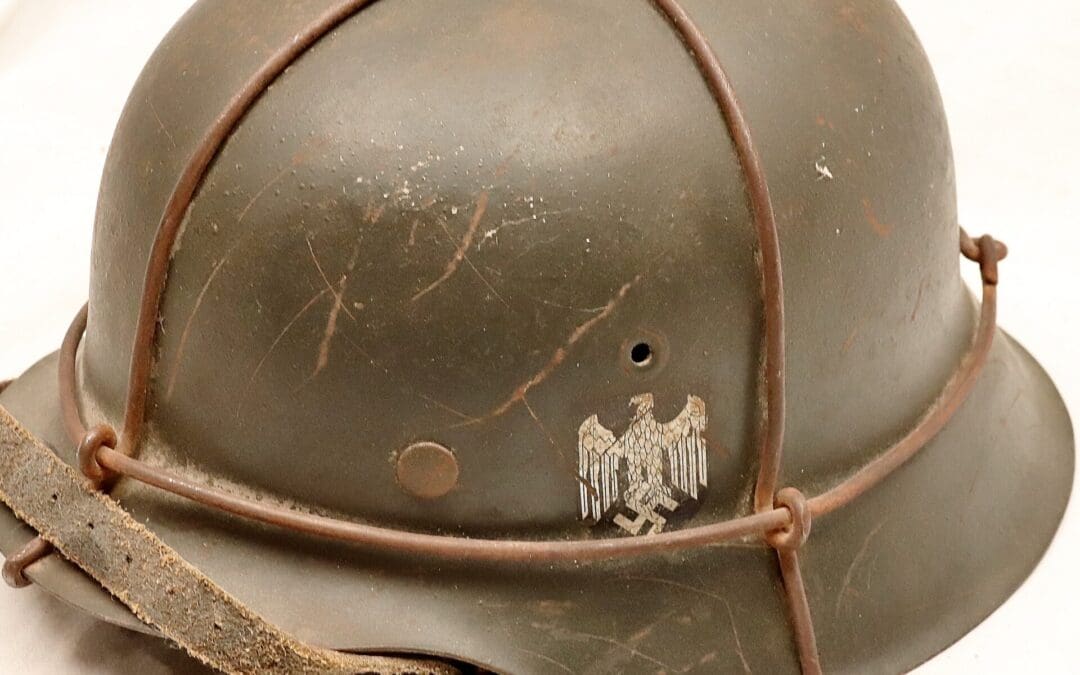
This M-42 single decal army helmet has been personalized by the owner with the addition of a heavy wire cover. The wire was no doubt added to secure natural camouflage such as grass, leaves and other foliage. The makers code and size
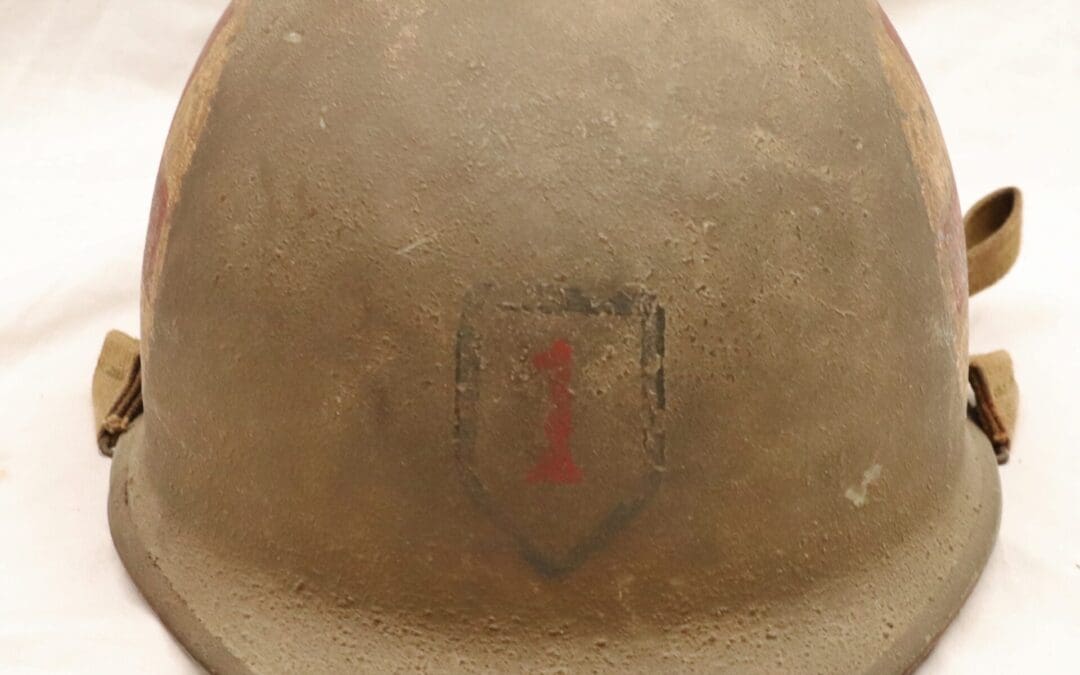
There appears to be no standard for applying the Medic crosses on helmets. This helmet shows the Big Red One, First Infantry division insignia painted on the helmet front. The other three sides have the red cross painted in white circles.
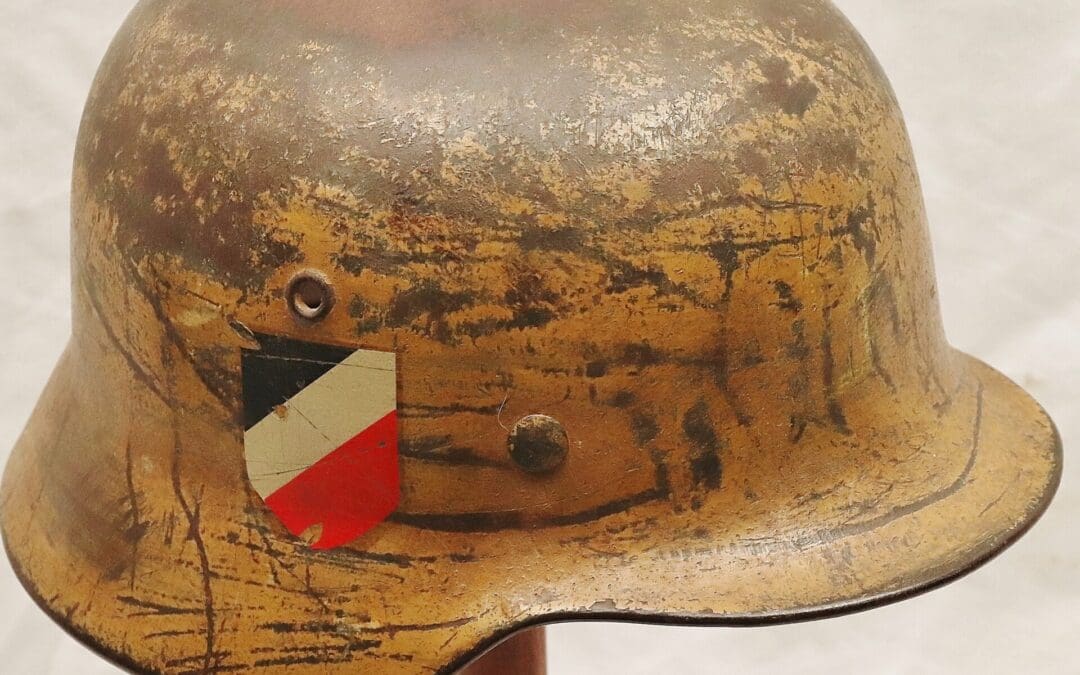
This German M-40, ET-64 size, No.1180, WW2 helmet shows both the National and the Army decal. It is painted in a color most often associated with early war conflicts, Africa, Sicily and Italy. The original owner named “Stubner” may have